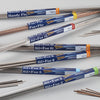
Collection: Sheet Metal Solder & Soldering Equipment
-
50/50 Select .125" Diameter Premium Solid Solder Wire, 1-lb. Spool
Regular price $33.99Regular priceUnit price per -
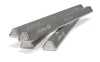
50/50 Tin/Lead 5/16" Tri-Bar Solder
Regular price $27.99Regular priceUnit price per -
#2 Soldering Copper (1 lb)
Regular price $63.95Regular priceUnit price per -
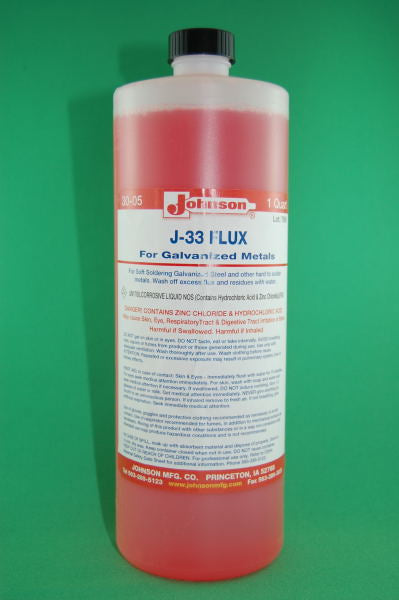
JOHNSON J-33 FLUX -32 oz QUART
Regular price $19.99Regular priceUnit price per -
50/50 SOLID .125" -25 LB SPOOL
Regular price $825.00Regular priceUnit price per -
50/50 Tin/Lead 1/4" Square Bar Solder
Regular price $27.99Regular priceUnit price per -
Perkeo 350g Pointed Copper Soldering Tip
Regular price $65.99Regular priceUnit price per -
#3 Soldering Copper (1.5 lbs)
Regular price $76.95Regular priceUnit price per -
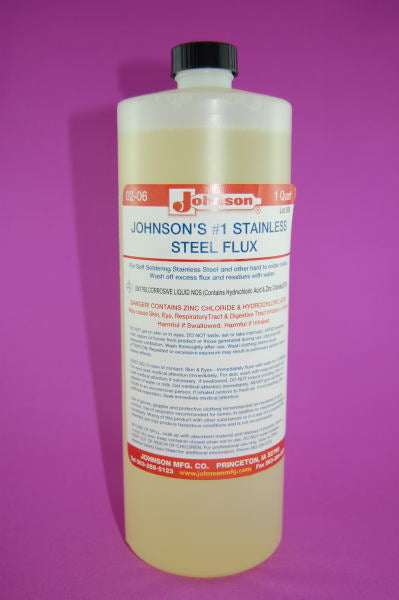
JOHNSON NO.1 STAINLESS FLUX-QT
Regular price $21.99Regular priceUnit price per -
American Beauty 3198 550W Soldering Iron with 1-1/8" Chisel Tip
Regular price $340.00Regular priceUnit price per -
#1.5 Soldering Copper (3/4 lbs)
Regular price $53.95Regular priceUnit price per -
97Sn/3Cu Lead-Free Tri-Bar Solder, 5/16" x 17"
Regular price $57.99Regular priceUnit price per -
American Beauty 3178 300W Soldering Iron with 7/8" Chisel Tip
Regular price $255.00Regular priceUnit price per -
Perkeo Portable Propane Soldering Unit with Tank
Regular price $625.00Regular priceUnit price per -
Johnson 101 Bench Soldering Furnace
Regular price $1,300.00Regular priceUnit price per -
Perkeo Soldering Unit Less Tank
Regular price $580.00Regular priceUnit price per -
50/50 Tin/Lead Meter Bar Solder 1/2-lb. Bar
Regular price $26.99Regular priceUnit price per -
Sievert SIK2-30 Premium Soldering Iron Kit
Regular price $1,149.69Regular priceUnit price per -
QUALITEK - Super Deox SD-1H(LF) 1LB
Regular price $28.98Regular priceUnit price per






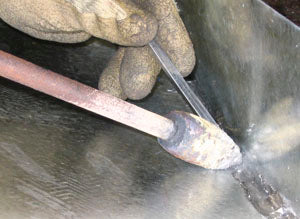


Soldering copper, galvanized or stainless steel sheet metal? Whether you are soldering pot metal on a job site or in the shop we have the best sheet metal soldering supplies and tools for you!
Traditional soldering of both plumbing pipes and roofing parts using a Solder alloy made from 1/2 Tin and 1/2 Lead (50/50 alloy) dates back to the Romans two thousand years ago. This solder was also used to connect the stained glass pieces in all of the famous cathedral windows of the middle ages. Today, 50Sn/50Pb alloy is still the most common solder for joining fabricated segments of copper or galvanized steel to make flashings, gutter, valleys and flat-lock roof systems.
Lead-free solder for sheet metal and lead-free solder for roofing is typically used when working on a municipal or government project such as a school, city or county building. We stock the most commonly used lead-free alloy 97/3 Tin/Copper solder in sticks and bars for using on these jobs.
You have a choice of soldering equipment based on electric or gas heating methods. For smaller jobs or in areas where an open flame is not practical, heavy-duty electric soldering irons are your best option. For large seam-soldering projects or for a dedicated soldering area in your shop, gas heated irons will be more efficient. Choose from a variety of propane (L.P.) heated torches or a Johnson natural gas heated furnace to heat coppers (copper irons).
Our most popular sheet metal solder items are here in this section - for more supplies and replacement parts see the full collection under Sheet Metal Soldering Materials.
Questions about Sheet Metal Solder & Soldering Equipment
What solder is used for sheet metal?
The usual solder for sheet metal is 50/50, half tin and half lead, for joining copper or galvanized steel flashing, gutters, valleys and roof seams. We carry it as wire, tri-bar, square bar and meter bar. When a job calls for lead-free, use 97/3 tin-copper, which we carry as tri-bar.
Can you solder galvanized steel?
Yes, once a zinc chloride flux has cleaned the zinc oxide off the surface. Brush the flux wherever the solder should go, because the solder follows the flux, and wash the residue off when you're done. We sell Johnson J-33 for galvanized steel, and the blog covers what the flux does in more depth.
Can you solder stainless steel?
Yes, but stainless needs more preparation than copper or galvanized steel. Clean it with a wire brush and solvent, use an aggressive acid flux such as Johnson's No. 1 Stainless Steel Flux, and preheat the joint before you feed in the solder. Wash the residue off right afterward, because it stays active. Each step is in the stainless steel article.
What soldering iron do I need for sheet metal?
For galvanized steel, use a heavy-duty electric iron of 250 or 300 watts, and for copper, 300 or 550 watts. A flat chisel tip suits lap seams, and a diamond point reaches into gutter and box corners. For long seams, or work away from a power outlet, a propane iron or a gas furnace for soldering coppers is the other way to go. Our guide to electric soldering irons shows the right tip for each one, and gas irons have an article of their own. When to pick a flame over a heated iron is in open flame torch soldering v. heated iron soldering.
Is there a metal soldering kit?
Yes. The Sievert SIK2-30 propane kit comes with the soldering iron, a 14 oz pointed copper tip, a 25-foot hose, a preset regulator and a carrying bag. We don't sell kit bundles, but we can recommend what to buy together, and through RapidQuote we may offer a kit discount.